How Quirk combines vintage finds with selected made-to-order originals—and what to check when choosing pieces for a longer life in your wardrobe.
Quirk brings together vintage pieces that already exist and selected original products made after an order is placed. These are different ways of shopping. Made-to-order applies only where the individual listing says so; it does not describe every item in our boutique.
What made-to-order means at Quirk
For products identified as made to order, production begins in response to a purchase rather than building a large stock of finished items in advance. That can help limit unsold finished stock, but it does not eliminate material use, production waste, returns or transport.
Made to order also does not automatically mean bespoke tailoring. Check each listing for available sizes, materials, production time and any customisation offered.
Longer use starts with a better choice
Consider how a piece will fit into your existing wardrobe, how often you will wear it and how you will care for it. Buying fewer items that you can use for longer is more useful than treating any label as permission to buy without limits.
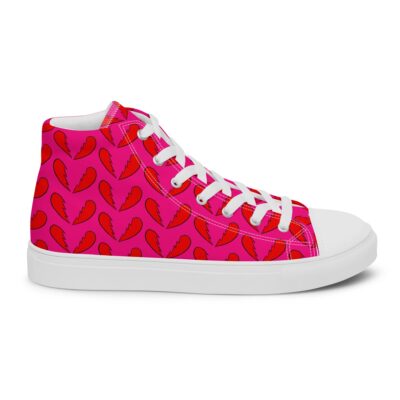
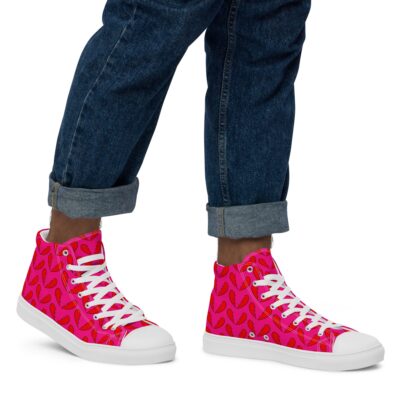
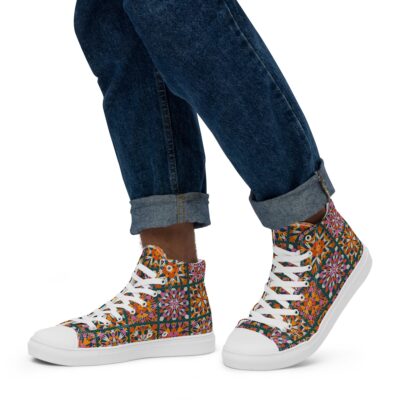
This product has multiple variants. The options may be chosen on the product page
Before ordering
Read the product’s measurements, materials, care information and estimated production time. Check the applicable return terms before buying. A considered choice starts with knowing what will arrive and whether it suits your needs.
Choose thoughtfully. Wear often. Care for what you keep.
The most useful piece is one that earns a lasting place in your wardrobe.
Choose for use, character and care
Our interest in vintage begins with the things that make a piece worth keeping: construction, texture, proportion and personality. Our originals offer another way to explore that point of view, with production details explained in their individual listings.
Neither vintage nor made-to-order is impact free. Materials, cleaning, repairs and delivery all matter. We encourage you to ask questions, compare measurements and choose deliberately.
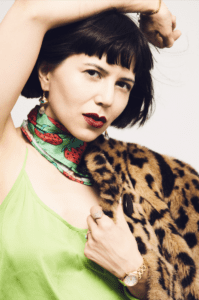
Fashion Stylist, Designer & Creative Director Quirk
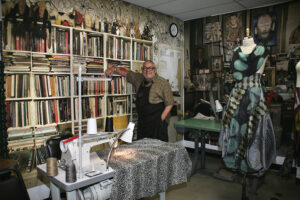
Quirk BOUTIQUE, Located at 112 West 9th St. #200 Los Angeles, CA 90015
STILL INTERESTED? Here’s more
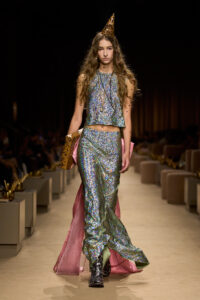
NYFW Spring 2027: Color, Play and a Break from the Beige Capsule
Clean-girl fatigue? NYFW Spring 2027 offers candy color, eccentric accessories and five collections making a case for dressing with a little more personality.
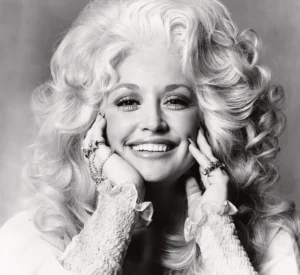
Dolly Parton never dressed for approval. Her rhinestones, wigs, heels, humor, and extraordinary consistency made her instantly recognizable—and offer a lesson in what personal style actually means.
Trends are a language of the moment. Personal style is what happens when you decide which words are actually yours, repeat them, distort them, and wear them into a life.
Fashion Isn’t Disposable: What Your Clothing Was Made to Survive
A forty-year-old jacket has already survived closets, bodies, weather, and changing taste. Its continued life is not an accident. It is evidence of construction, care, and attachment.
Why Vintage Fits So Differently, and Why That Is Actually a Good Thing
A vintage size 10 is not a modern size 10, and the tag is not a comment on your body. This guide explains the history, cut, fabric, and fit clues that matter more than the number.

 Modern / Present dayQuirk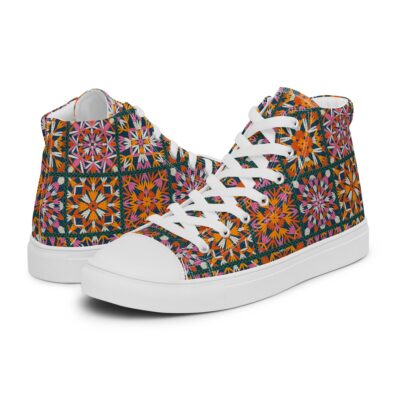
 Modern / Present dayQuirk