Enjoy free U.S. shipping on orders of $150 or more after discounts.

The Timeless Elegance of 1940s and 1950s Fashion

A sharp shoulder, a tiny collar, a skirt with somewhere to go. The appeal of 1940s and 1950s fashion is in the proportions. Here’s how the silhouettes changed, what to look for in a vintage piece, and how to make it feel like you.
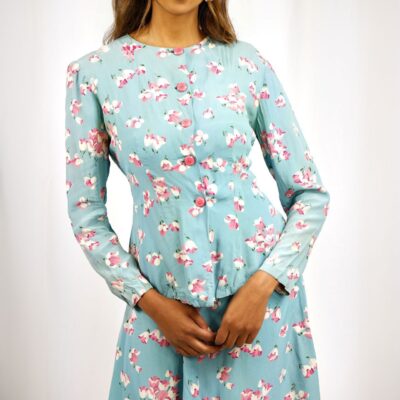
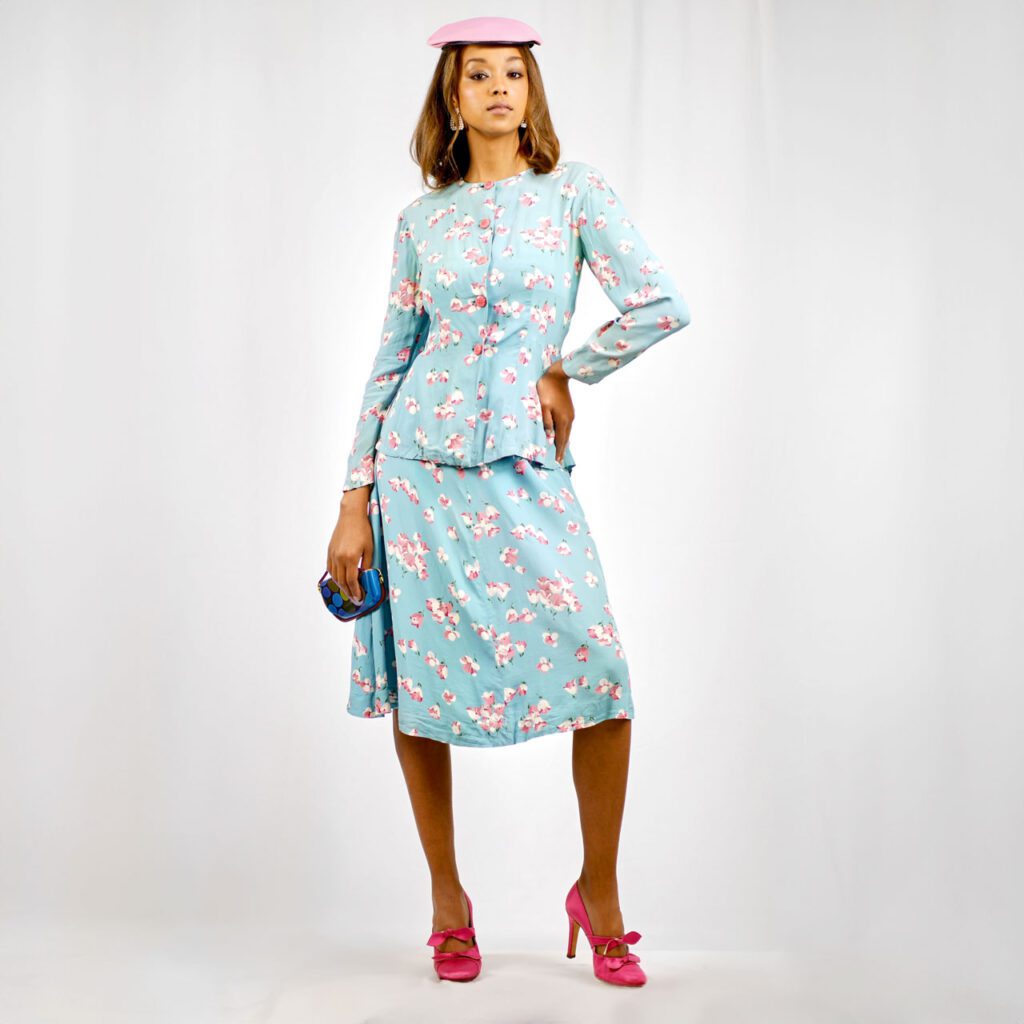
Front view of a vintage aqua skirt suit with pink and white flowers, styled with a pink hat and heels.

1940s fashion: structure and a changing silhouette

The 1940s did not have one uniform look. Wartime restrictions shaped clothing differently in Britain, the United States and occupied France. In British Utility clothing, defined shoulders, fitted waists and relatively economical skirts made a strong silhouette with limited resources. Practical did not have to mean visually dull: color and pattern still had a place. FIT’s overview of the decade traces those shifts.

Then came Dior’s New Look in 1947. Its rounded shoulder, emphasized waist and fuller, longer skirt became an influential postwar proposition and helped shape the fashion associated with the 1950s. It was a dramatic change in proportion, not a switch that made everyone replace their wardrobe overnight. The V&A’s examination of the Bar suit shows how carefully that silhouette was constructed.

1950s fashion had more than one silhouette

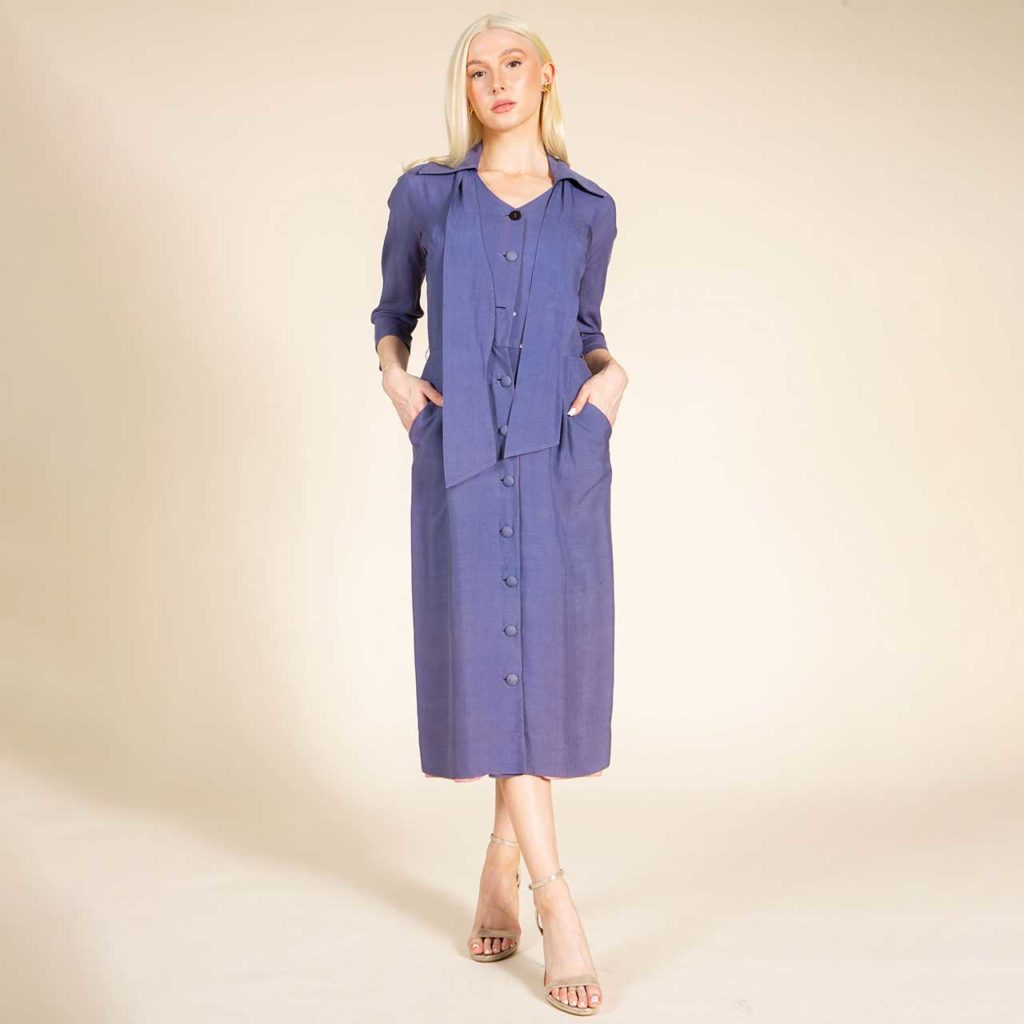
Model wearing a blue-violet button-front midi dress with three-quarter sleeves, front pockets and a matching scarf
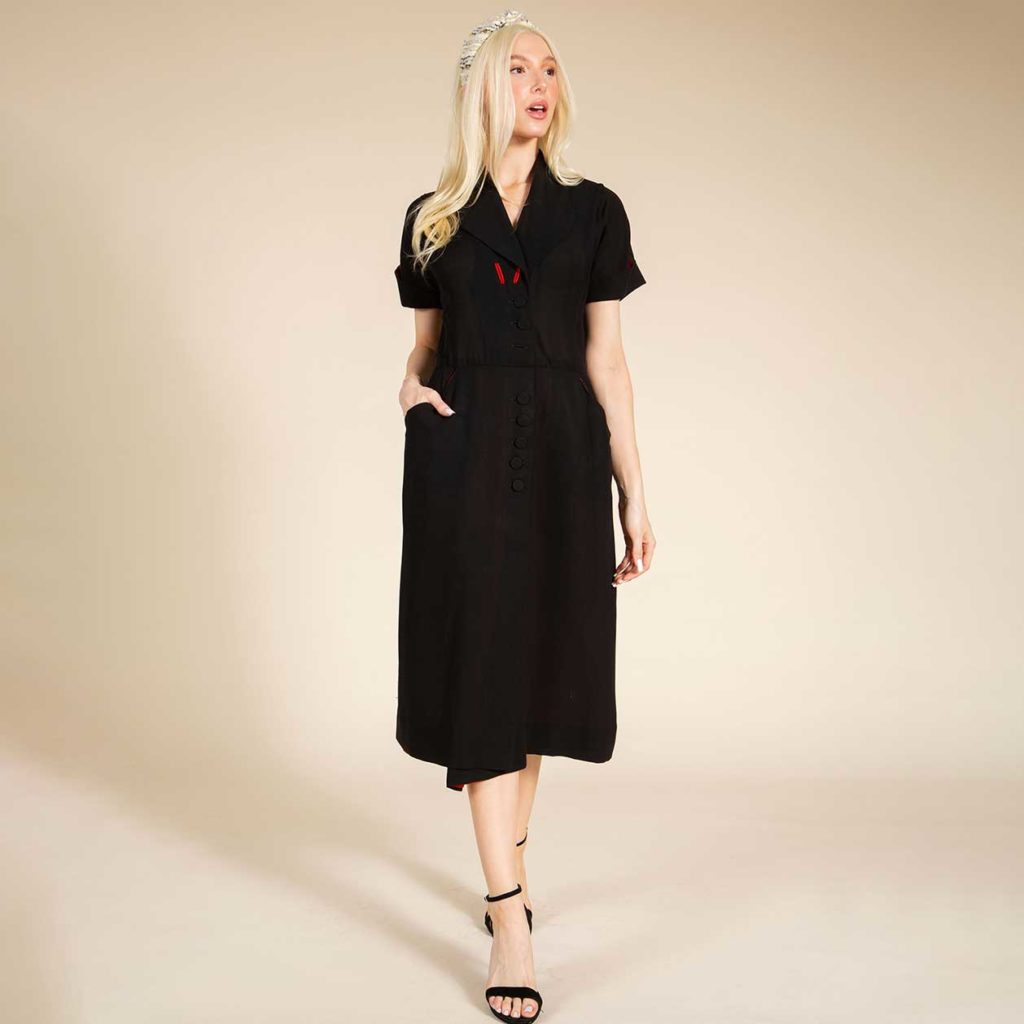
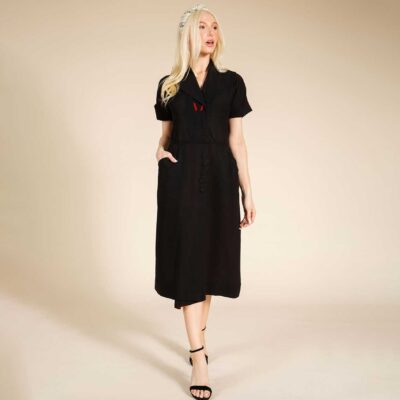
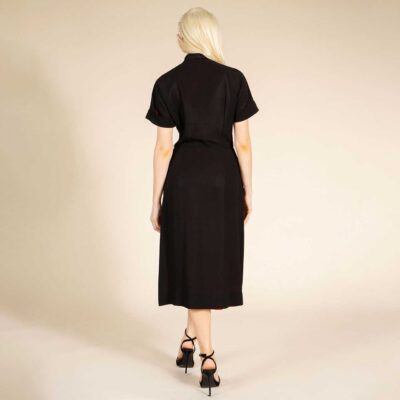
Model wearing a black button-front midi dress with a notched collar, short sleeves, side pockets and small red accents
Front view of a vintage aqua skirt suit with pink and white flowers, styled with a pink hat and heels.

Full skirts are an obvious 1950s reference, but a whole decade deserves more than one silhouette. A narrow skirt creates a different line from a full one; a sweater and trousers tell a different story from an evening dress. Look at the actual garment before reaching for a decade-wide label. Shape is a starting point for research, not enough evidence to date a piece by itself.

That variety is part of the pleasure. You might be drawn to a crisp collar, a close-fitting cardigan or the sweep of a skirt, without wanting every element of a period outfit. Pay attention to the detail that caught your eye. It gives you something more useful to work with than a general instruction to look “vintage.”

Borrow a proportion, then make it yours

Try a structured jacket with the jeans you already reach for. Let a full skirt have some breathing room with a simple knit. Or wear a fitted skirt with a roomy shirt, sleeves pushed up, and a shoe that feels a little unexpected. You can enjoy the line of a vintage garment without adopting every styling convention that came with it.

A few pieces from the Quirk collection

The details that make an outfit feel personal

A brooch on a collar, a scarf through belt loops, a bright sock peeking above a loafer: small details can make a familiar outfit feel personal. There is no period-costume exam to pass. If you love a complete vintage look, go all in. If you want one excellent jacket and your current shoes, that works too.

Start with the piece you want to wear and try it with something already in your closet. A change of shoe or an unbuttoned cuff can shift the mood more convincingly than another purchase.

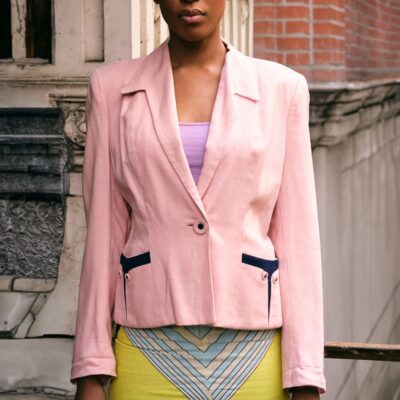
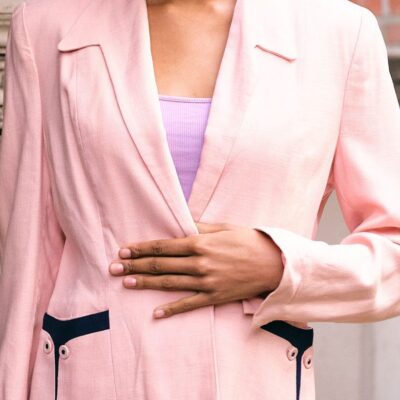
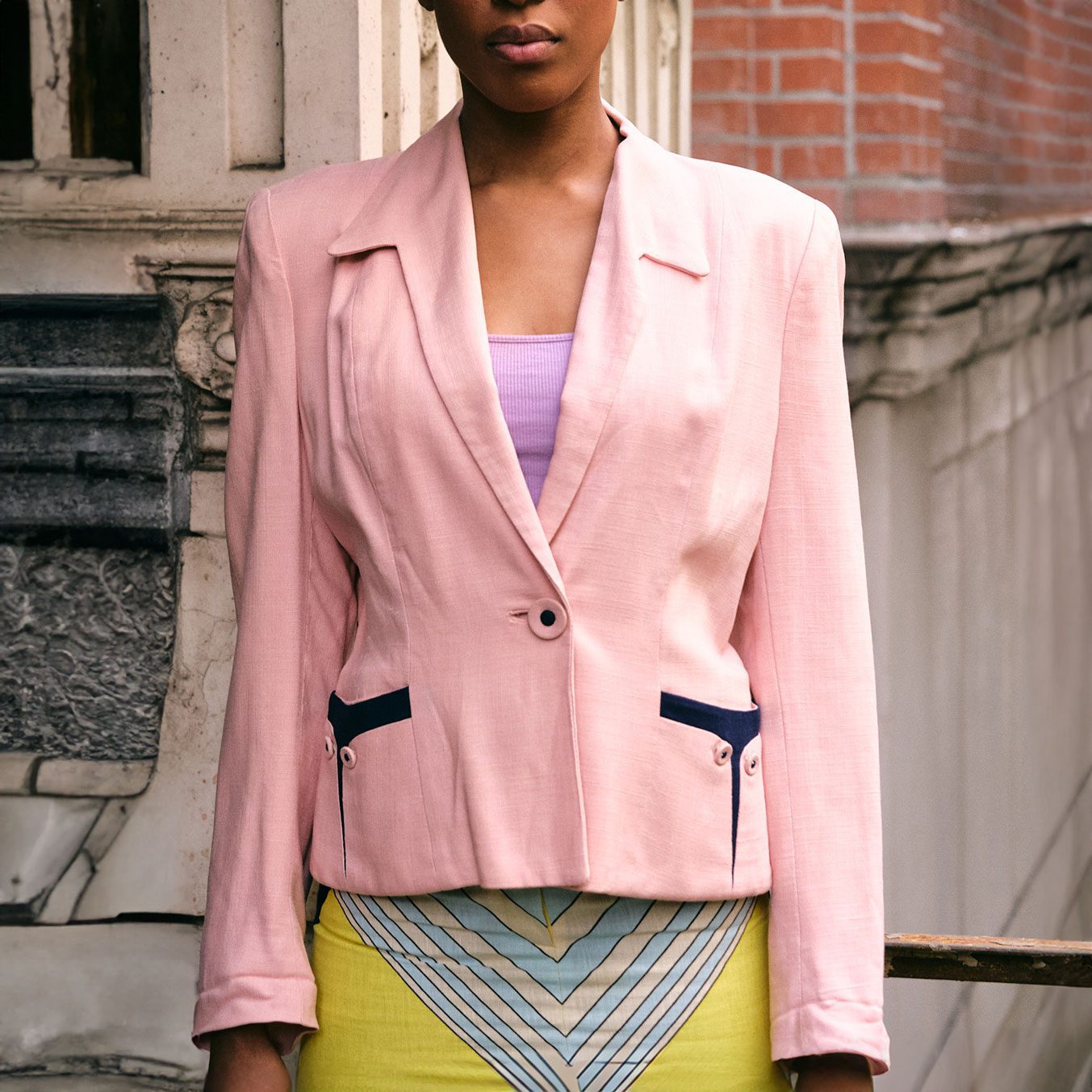
Pink tailored jacket with navy-trimmed pockets, worn over a lavender top and patterned skirt.
A true vintage 1940s linen jacket, styled with a lavender top and patterned skirt. The navy pocket trim keeps all that pink feeling sharp.
Model wearing a blue-and-white gingham blouse and full skirt with pale embroidered borders
Blue gingham, pale embroidery and a full skirt: this 1950s cotton set has the line of a day dress and the freedom of separates.
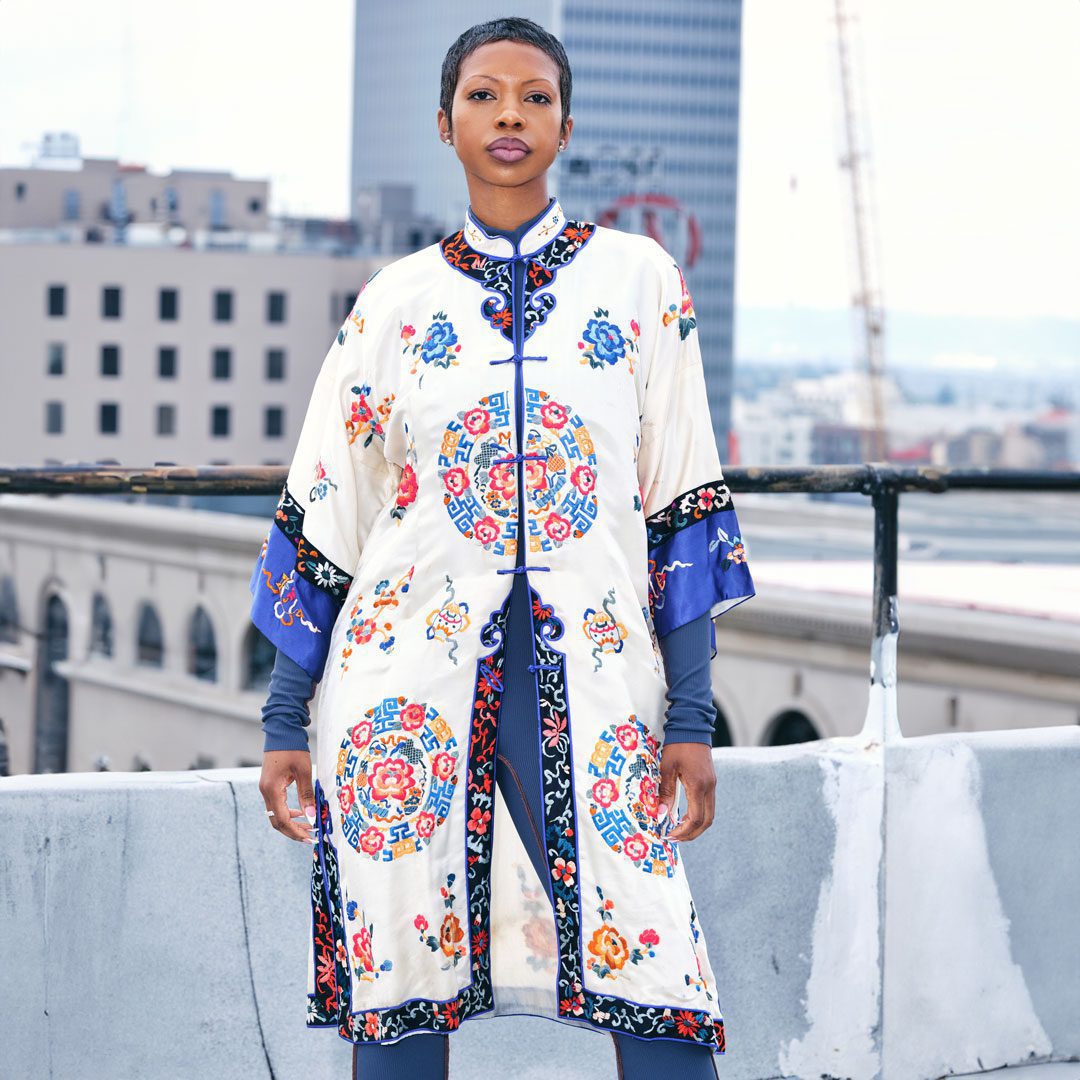
Model wearing an ivory Chinese embroidered longline jacket with cobalt cuffs, black borders and colorful floral medallions
An estimated 1940s/50s embroidered jacket brings cobalt cuffs and floral borders to a modern outfit.

Keep the good pieces in rotation

The most useful vintage purchase is one you actually wear. Consider the care it needs, whether an alteration is realistic, and how it works with what is already in your closet. Repairing a loose fastening or treating a fragile lining carefully is less glamorous than an outfit photo, but it is part of keeping the clothes you love in use.

Follow the garment’s verified care information. Age, fiber, dyes and embellishment all matter, and two dresses that look similar can need very different treatment. If a label is missing, a knowledgeable cleaner can help assess the actual fabric and construction before you take a chance. A general instruction to dry-clean every vintage piece is no substitute for that assessment.

Think about storage, too. A heavy embellished garment and a light cotton shirt put different demands on a hanger. Check the shoulders and any fragile areas for strain, and ask a specialist about an appropriate storage method for delicate pieces. The point is to give the garment the care its condition requires, so wearing it remains a pleasure.

Fit the garment to your life

Start with measurements. Ask whether the listed numbers describe the finished garment or the body it is intended to fit. A waist measurement alone cannot tell you how the shoulders, bust, hips or rise will sit. Compare a similar piece you already own, measured in the same way, and leave room to sit, reach and move.

For a fitted dress, find out where the waist seam falls as well as how wide it is. A bodice that is too long or too short can change the whole line, even when its circumference sounds right. With trousers, rise and inseam deserve the same attention as waist and hip. For a jacket, consider the shoulder shape and the layer you plan to wear underneath.

Check closures, lining, underarms, hems and any areas under strain. Ask for a close photograph of a repair or flaw that affects your decision. Previous alterations can change both the fit and the original proportions, so a label is only one part of the picture. Our guide to why vintage fits differently goes further into choosing by fit rather than taking the tag personally.

A model photograph becomes more useful when you know the model’s modern size or measurements and can see how the garment sits from the front, back and side. It helps distinguish an easy fit from a close one. For a fitted bodice, narrow waist or another area where a small difference matters, compare garment measurements with a similar piece you wear comfortably. If the photographs leave a fit question unanswered, ask; any known pinning or clipping should be disclosed.

Back of a blue-and-white gingham two-piece set showing embroidery across the blouse and full skirt
The same 1950s gingham set from the back, showing the embroidered blouse and the fullness gathered into the skirt. A second view tells you more than a front photograph alone.

Before you bring it home

A beautiful piece still needs to work for the way you live. Before buying, think about where you will wear it, what goes underneath and whether you are comfortable with its condition. A delicate evening dress can be a wonderful choice for a quiet dinner and a frustrating one for an outdoor event with rough seating. Give the setting as much thought as the photograph.

If alterations are part of the plan, speak to a qualified tailor before assuming they are simple. Moving a hem and rebuilding a shoulder are very different jobs. Seam allowance, lining, previous alterations and embellishment can all affect feasibility and cost. A bargain stops being a bargain if the work required exceeds what you want to spend.

Dating deserves the same care. A silhouette, a zipper or a label can offer clues, but no single detail tells the whole story. Look for a consistent explanation across construction, fabric, labels and any documented provenance. If the evidence supports a range rather than a precise year, that uncertainty belongs in the description. Enjoying the piece does not require pretending we know more than we do.

Leave room to experiment

Try the same piece two ways before deciding it is too formal, too sweet or too theatrical for you. A full skirt with a neat cardigan has a different energy from that skirt with a roomy shirt and flat shoes. A tailored jacket can look composed over trousers, then slightly mischievous over a faded tee. The garment stays the same; the conversation around it changes.

You can follow a favorite proportion across decades, too. Someone who loves the structure of a 1940s shoulder may find something to enjoy in a later jacket, while a preference for a narrow skirt might lead to quite a different wardrobe. Our 1960s and 1970s fashion guide is another place to explore those shifts. There is no requirement to commit to a single decade.

The pleasure of vintage is finding the piece that gives you an idea. Sometimes it is an extraordinary dress. Sometimes it is a small collar, an unusual button or a jacket that makes the trousers you already own feel interesting again. Start there. The outfit can follow.

Visit our boutique to find our curated vintage selection

Quirk BOUTIQUE, is located at 112 West 9th St. #200 Los Angeles, CA 90015

Picture of Melynda Choothesa, CEO

Melynda Choothesa, CEO

Senior Fashion Stylist, Costume Designer, Fashion Designer, Art Director

With over 15 years of expertise in still photography, commercial fashion styling, and costume design for motion pictures and television, Melynda stands out as a seasoned, award-winning costume designer and fashion stylist. Her portfolio boasts collaborations with industry luminaries such as Akon, Bad Bunny, Elijah Wood, and more. Melynda's renowned vintage showroom and the "Quirk" ready-to-wear line are a testament to her inspiration drawn from global travels and original artwork. In addition to her successful professional journey, she also delves into theatre and commercial acting, having contributed to notable projects for Apple, Pepsi, and Universal Pictures.

STILL INTERESTED? Here’s more

Reimagining Glamour: Sustainability and Ingenuity Behind Kelsey Merritt’s Custom Satine Look

At first glance, Kelsey Merritt’s Moulin Rouge costume looked like pure Hollywood fantasy—crystal fringe, beadwork, and a silhouette that felt straight from a Parisian cabaret. But behind the sparkle was a story of creative sustainability, smart shopping, and the kind of resourcefulness that defines independent fashion in Los Angeles today.

The Timeless Appeal of Vintage Leather Bags

Vintage leather bags possess a timeless appeal that transcends fleeting fashion trends. Steeped in history, these bags have a unique charm and character, often telling a story. The patina they develop over the years, the worn-in feel, and the subtle imperfections all contribute to their allure.

Quirk: Supporting Sustainability

How Quirk combines vintage finds with selected made-to-order originals—and what to check when choosing pieces for a longer life in your wardrobe.

The New Luxury Rediscovering Vintage and Unique Fashion

In a world where brands often churn out similar products, the allure of one-of-a-kind items has never been stronger. More than just a trend, vintage and unique fashion pieces offer a distinct charm that appeals to sustainable shoppers, vintage enthusiasts, and fashion lovers alike. This blog post dives into why spending money on vintage pieces is not only a stylish choice but also a sustainable one. From the uniqueness of each item to the environmental benefits, we’ll explore the myriad reasons why vintage is the new luxury.