Enjoy free U.S. shipping on orders of $150 or more after discounts.
A wardrobe with a little history can be much more interesting than a rail of things bought to match. There is room for an eccentric print, a beautifully cut jacket and the evening bag that insists on coming to lunch. Buying vintage can also keep existing clothes in circulation. The useful question is what happens after you bring them home.
“Vintage” is not a guarantee of quality or a complete environmental assessment. Older clothes were made at many price points, with different materials and levels of workmanship. Some have been carefully stored and repaired. Others have damage that makes them difficult to wear. Age alone cannot tell you which is which.
The EPA’s advice on thoughtful shopping starts with questions about need, use, borrowing and what you already own, and recommends maintaining and repairing clothing. That is a useful place to begin even if your taste runs to sequins rather than sensible neutrals. The aim is to find clothes you want to keep wearing, and give them the care that makes that possible.
Buying something secondhand and never wearing it does little for your wardrobe. A repeat favorite, whether it is a plain sweater or an outrageously good jacket, earns its place through use. You do not have to become a minimalist to be more deliberate about what comes through the door.
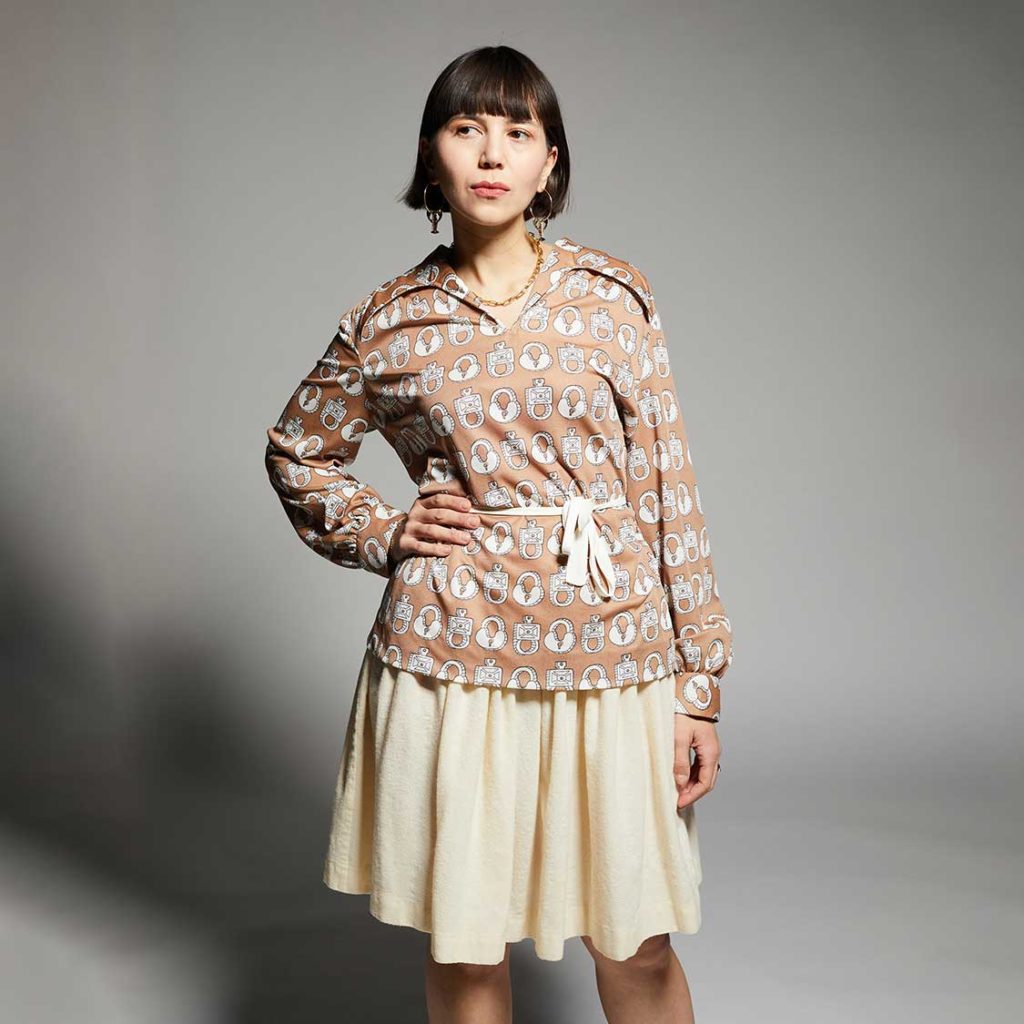
Before buying a piece, picture a day when you would wear it. Not a vague future in which you attend more garden parties. An actual day, with your commute, your weather and the amount of moving around you do. If the garment needs a different bra, shoes you cannot walk in and tailoring you have not priced, those are part of the decision.
Try styling it with what is already in your closet. A printed blouse can work with dark trousers for dinner and worn denim at the weekend. A tailored jacket might sit over a simple dress, then return with a tee and looser pants. If you only like the piece as part of an entirely new outfit, pause. You may love the photograph more than the garment.
Quirk’s pink blazer with navy contrast offers a useful styling exercise: let the navy detail connect it to dark trousers, or relax the fitted shape with jeans. Its listing also discloses small holes. That matters as much as the color. A piece with wear may suit one person perfectly and disappoint another; the right choice depends on your expectations and whether any needed repair is practical.
Good construction reveals itself in details you can examine. Look at the seams, lining, fastenings and areas that take strain. Check underarms, cuffs, pocket openings and hems for wear or repairs. Ask for clear photographs when buying online. A prestigious name does not repair a split lining, and a missing designer label does not make a well-made jacket less worth wearing.
Condition language should help you understand the piece. Find out where a flaw is, how visible it is and whether it affects use. Avoid treating “vintage condition” as a complete explanation. For fit, compare garment measurements with something you own, allowing for the way the fabric moves and the shape you want. Our vintage fit guide goes into the difference between a label size and a garment that actually works on your body.
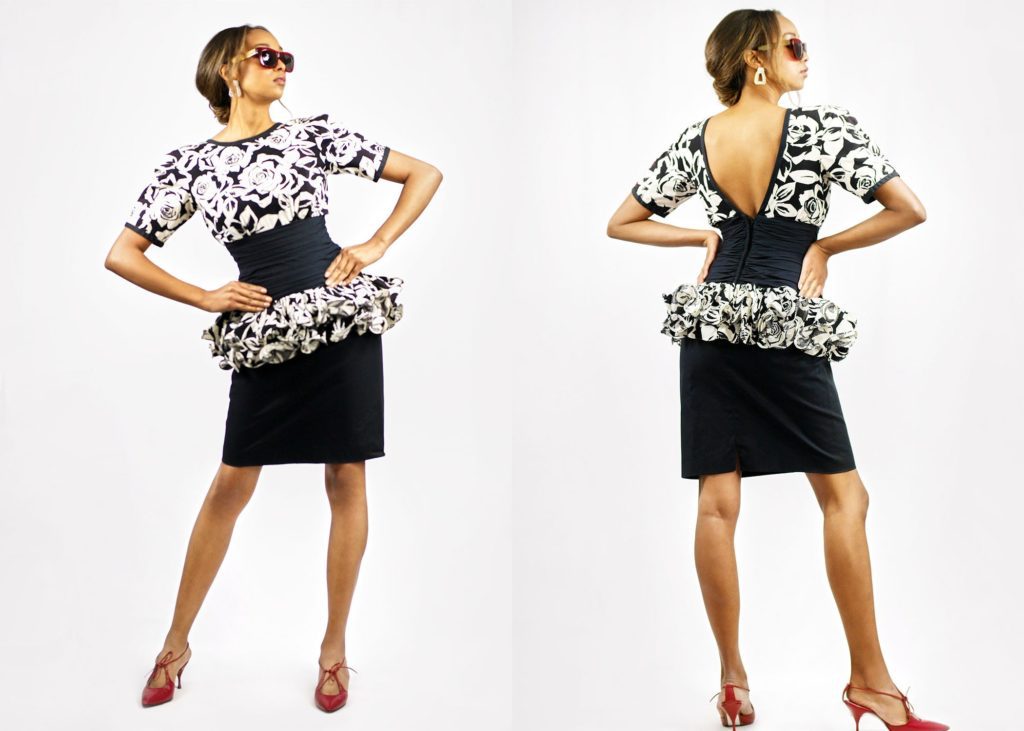
The upkeep should suit both the garment and your habits. Read any surviving care label, but remember that an older piece may also have fragile trims, previous repairs or a lining that responds differently from the outer fabric. If the material or treatment is uncertain, ask a cleaner experienced with vintage clothing before experimenting. A favorite dress is a poor place to test an internet cleaning trick.
Small repairs are easier to consider before a problem spreads. A loose button, an opening seam or a damaged lining may be manageable; weakened fabric or extensive deterioration can be a different proposition. Ask a tailor what is feasible and what it will cost before buying a project. “I could fix it” and “I have someone who can fix it” are two quite different things.
Storage also deserves a thought. Give pieces room, keep them clean and dry according to their needs, and choose support appropriate to their weight and construction. Some garments should not spend months pulling against a hanger. For broader reading on keeping clothes in use, see our feature on clothing longevity.
It is possible to care about waste and want a ridiculous collar. Personal style does not need to collapse into a uniform of anonymous basics. A colorful piece you reach for constantly can make more sense in your wardrobe than a supposedly essential neutral you never quite feel like wearing.
Give yourself permission to repeat a good outfit. Change its proportions with a belt or a different shoe, move a brooch from a lapel to a plain cardigan, or wear an evening piece in daylight. Familiar clothes can still surprise you. That is a more satisfying experiment than repeatedly replacing the whole cast.
When a garment no longer works for you, consider whether repair, alteration, resale or passing it to someone who wants it makes sense. Check what a donation organization actually accepts before dropping things off. Reuse and textile recycling are different routes, and not every damaged or mixed-material item can go through the same process. The EPA’s recycling guidance notes that textiles generally do not belong in curbside recycling bins; local collection requirements matter.
Vintage shopping is one part of this, not a promise of impact-free consumption. Cleaning, transport, packaging and what you buy instead all deserve consideration. At Quirk, the most useful conversation begins with the individual piece: how it fits, what condition it is in, how you would wear it and whether you will be glad to see it in your closet next year. The answer should feel like you.

Fashion Stylist, Designer & Creative Director Quirk
Quirk BOUTIQUE, Located at 112 West 9th St. #200 Los Angeles, CA 90015
No matching labels. Try another name.