Enjoy free U.S. shipping on orders of $150 or more after discounts.
Vanity sizing describes the use of a smaller size label for dimensions that would have carried a larger label in another range or earlier period. It is one reason that a familiar number can stop being a useful guide when you change brands or shop vintage.
Not every difference in fit is vanity sizing. Pattern shape, intended silhouette, country, period, fabric and alterations also matter. Two garments with the same waist measurement can fit differently through the hips, shoulders or rise.
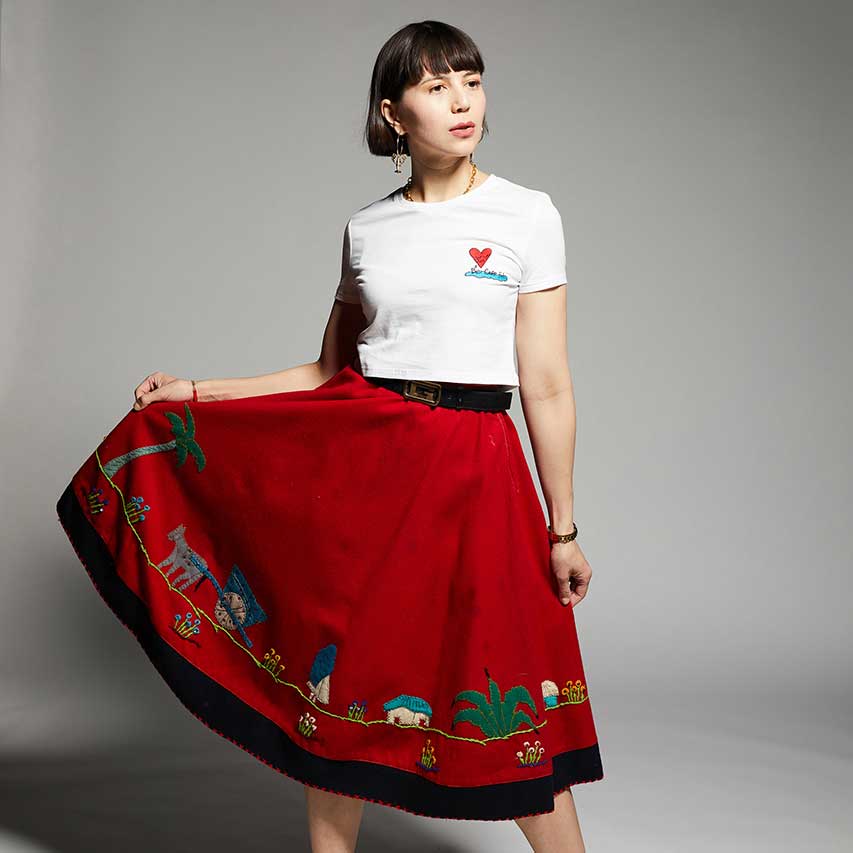

Imagine two skirts with the same measured waistband but different size labels. The labels do not change your body, and they do not tell you everything about either skirt. One might sit at the natural waist; the other might be designed to sit lower.
That is why a universal conversion such as “always go up two sizes for vintage” is unreliable. Begin with the measurements of the specific garment, then consider its cut and the way you want to wear it.

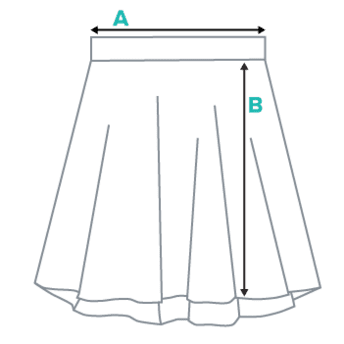
Choose a similar garment you already own and like wearing. Lay it flat without stretching it, then measure the same points shown in the listing. For a jacket, chest width alone may not resolve shoulder or sleeve fit. For trousers, check the waist, hips, rise, thigh and inseam where those measurements are available.
Keep flat garment widths separate from body circumferences. A skirt listed as 15 inches across the waistband is approximately 30 inches around at that point; it is not automatically intended for a body with exactly that waist measurement. Ease, placement and stretch affect the fit.
If a size chart gives body measurements, follow that chart’s method. If it gives finished-garment measurements, compare it with a garment measured the same way. Ask the seller when the method is unclear.
A close-fitting woven garment needs a different assessment from a stretchy knit or an oversized coat. Read the fabric description, look at the seams and closures, and ask whether the piece has been altered. A lining may limit stretch even when the outer fabric has some give.
When trying something on, sit down, lift your arms and move as you normally would. Notice pulling at closures, restricted movement or a waistband that feels comfortable only while standing still. Fit is about use as well as appearance.
Do not assume every fit problem can be solved by letting a garment out. Seam allowance, construction and previous alterations limit what a tailor can do. Ask for an assessment before buying if the purchase depends on a particular alteration.
There is no single size that has to follow you between every label and decade. Keep a short record of useful garment measurements and update it when your preferences change. The objective is clothing that works for you.
Before ordering online, check the condition description, measurement method and applicable return policy. Do not assume that vintage or made-to-order purchases include free returns or exchanges.
Read why vintage fits differently → Check Quirk’s return terms → Ask us for a measurement →

Fashion Stylist, Designer & Creative Director Quirk
Quirk BOUTIQUE, is located at 112 West 9th St. #200 Los Angeles, CA 90015
No matching labels. Try another name.