Embrace 2024 With Style: Quirky Fashion Trends for the New Year!
From our 2024 style archive: make prints, color, texture and the occasional odd accessory feel like you. Practical ways to experiment with the clothes you already own, without replacing your entire wardrobe.
From the Quirk archive: first published ahead of 2024, this story has been refreshed with practical styling advice. It is an invitation to experiment, not a forecast for the current season.
You do not need a new calendar to start wearing the thing you keep saving for another version of yourself. The printed trousers, the odd little bag, the jacket that looks a bit too interesting for a Tuesday: try them with the clothes already doing the work in your closet.
A playful wardrobe is built through choices you enjoy repeating. You can begin with one color or a change of proportion and let the rest follow. There is no requirement to become the loudest person in the room. Some days, a very good pair of socks is quite enough.
Mix and match bold patterns
Print mixing gets easier when you give the patterns a shared reference. A color repeated in both pieces can make a stripe and a floral feel related, even when their shapes are quite different. Varying the scale helps, too: a smaller, tighter pattern can sit comfortably beside something larger and more open.
If two prints feel busy together, keep one away from your face or reduce its role. A patterned scarf or bag gives you a smaller area to work with than a second full garment. Try the outfit without the accessory first, then add it back. The difference will usually tell you more than another rule about what “goes.”
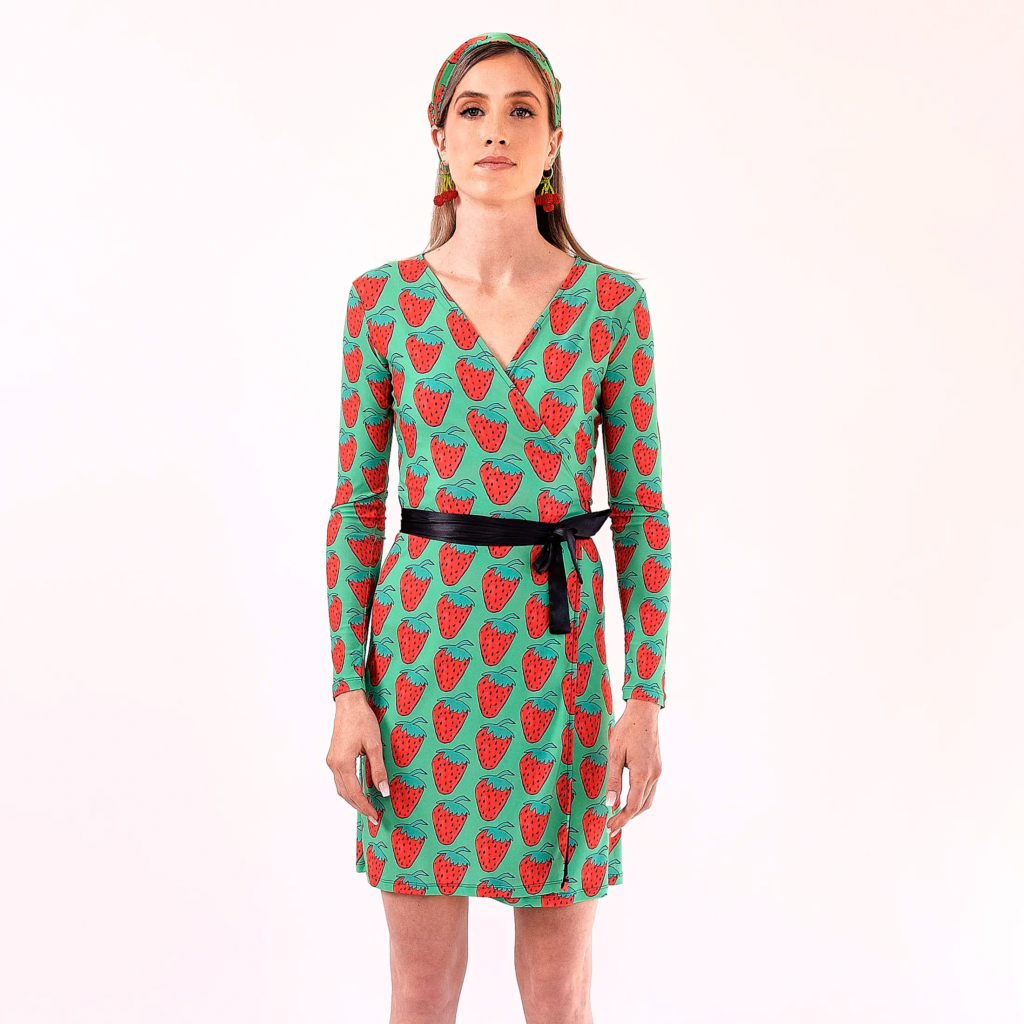
The printed pieces below are starting points for the eye, not a suggestion to wear them all at once. Quirk’s Tastes Like Strawberry shorts, for example, could work with a plain white tee, or with a restrained stripe that picks up a color in the print. The playful detail is already there; you get to decide how much company it needs.
De Paris Ivory Embellished Sleeveless Shell
$178.00
Tastes Like Strawberry Jersey Wrap Dress
$178.00
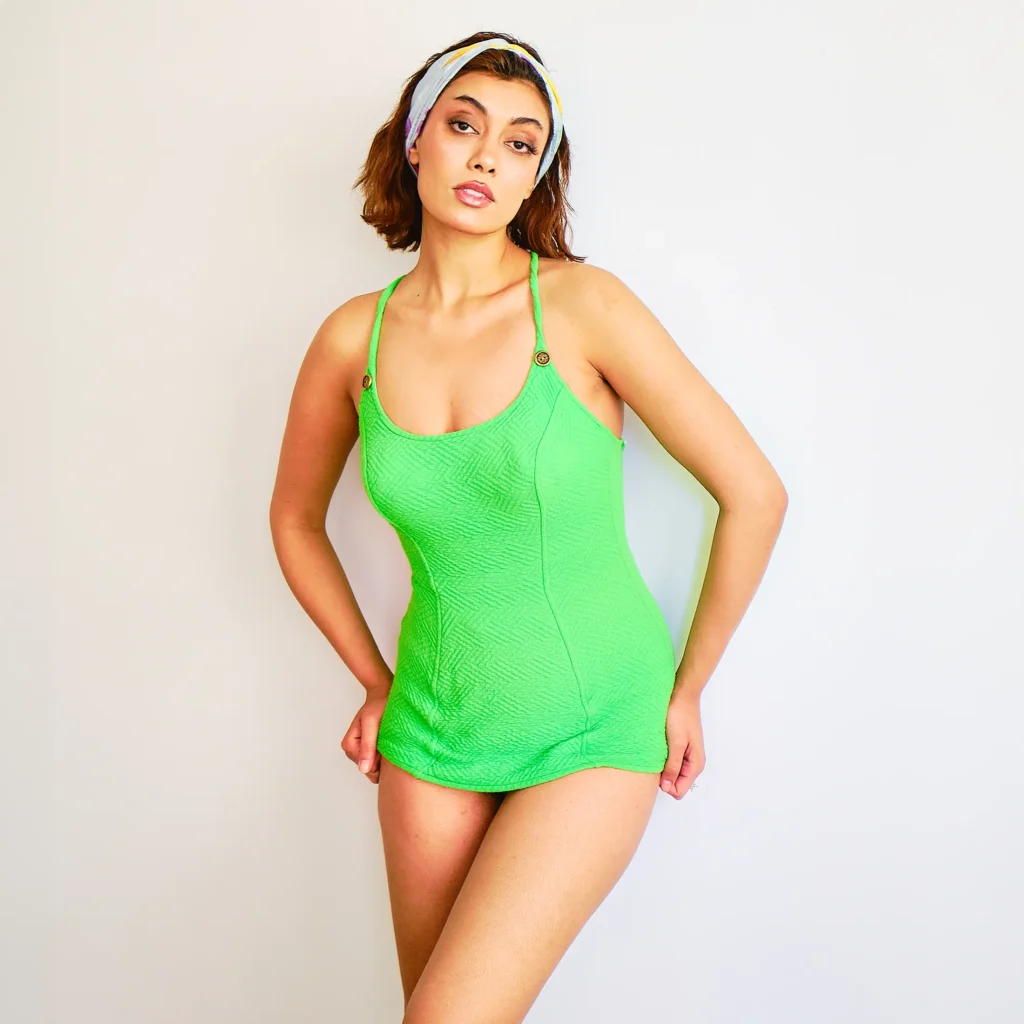
1960s Mod Lime Green Swimsuit
$98.00
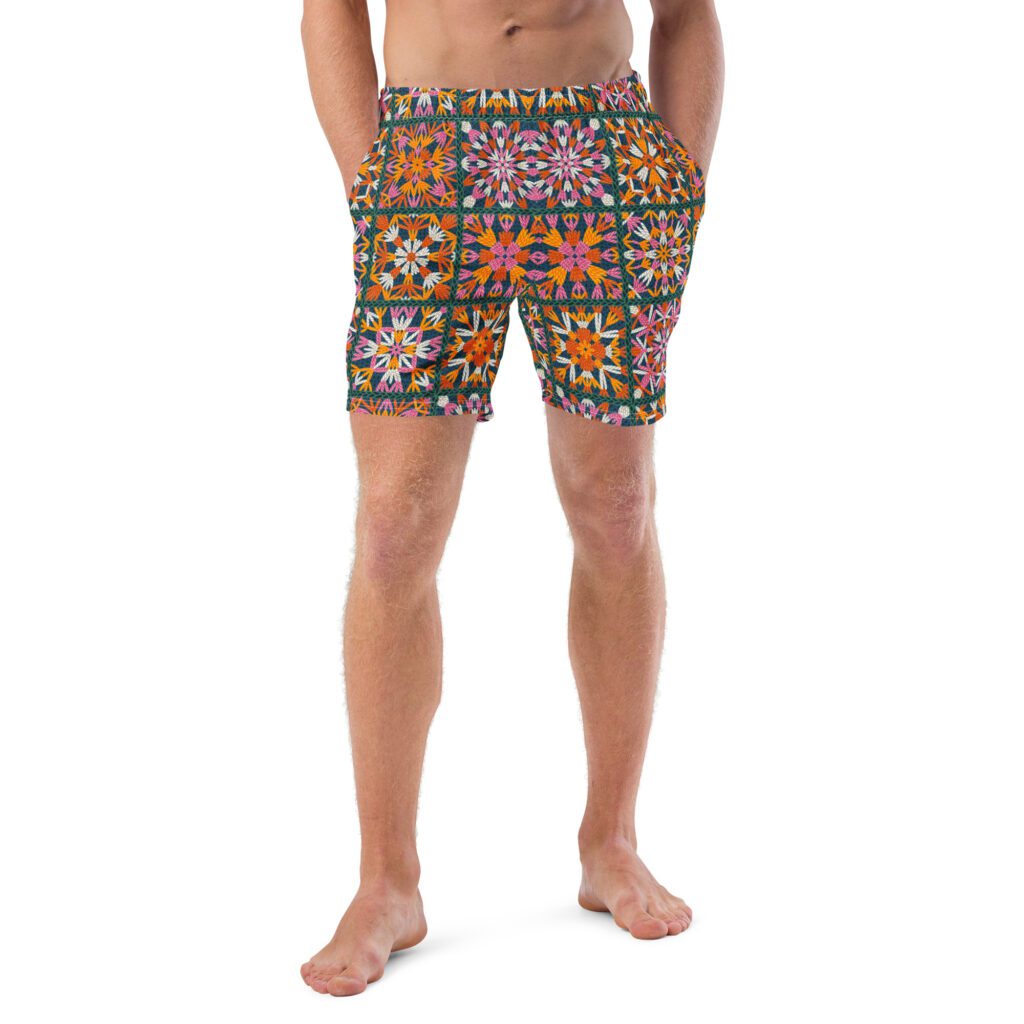
Quirk Retro Granny Crochet Swim Shorts
$98.00
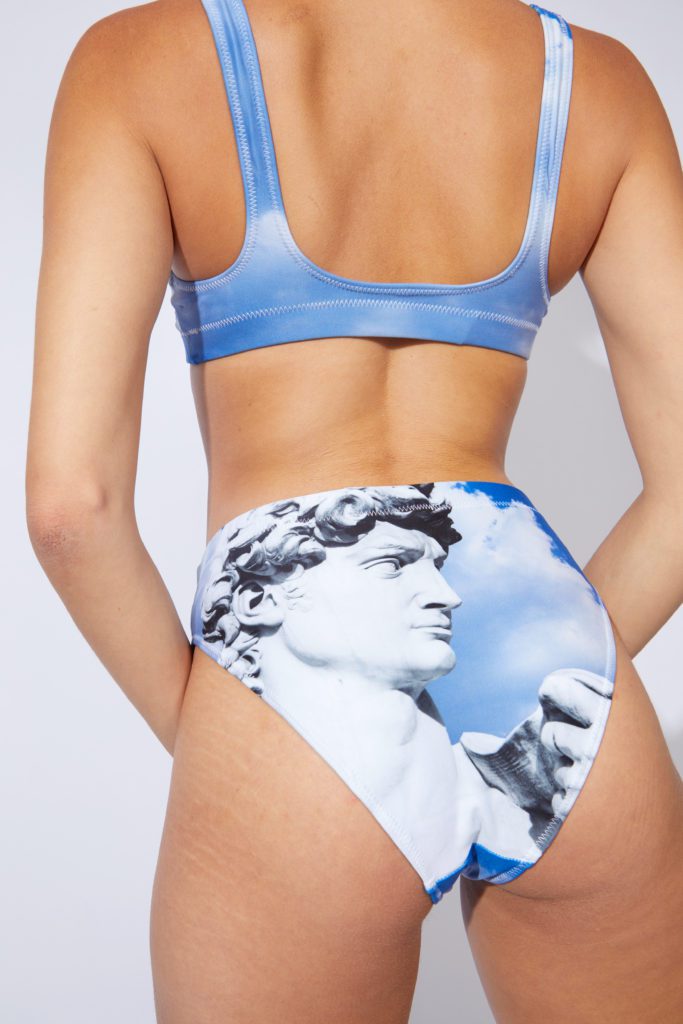
David on the Butt Art Print Bikini Bottoms
$58.00
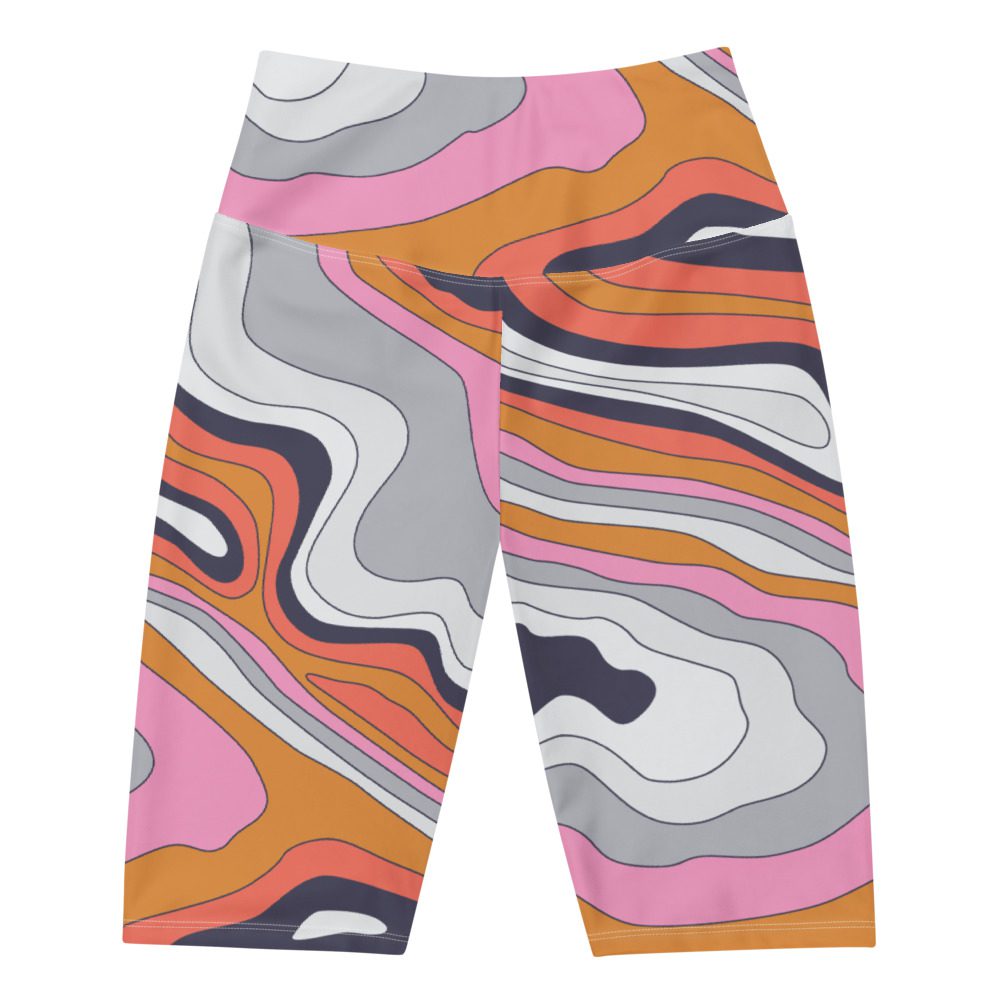
60s Psychedelic Swirl Bike Shorts
$98.00Original price was: $98.00.$78.00Current price is: $78.00.
Play with vibrant colors
Color can change a familiar outfit without changing its shape. Put a bright shirt under the jacket you already wear, swap a black sock for red or carry a bag in a shade you would hesitate to wear head to toe. Small doses count.
For a stronger combination, try neighboring shades with different depths, such as a pale blue top and a deeper blue trouser, or let one vivid color interrupt a quieter base. Pink beside brown, green beside cream, orange peeking out from under navy: the relationship matters more than whether each color appears on a seasonal list.
Look at the pieces together in daylight and think about where you want the emphasis. A bright shoe draws attention down; a scarf brings it toward the face. If you feel overwhelmed, reduce the number of competing details rather than abandoning color altogether. The point is to enjoy the outfit, not pass a confidence test.
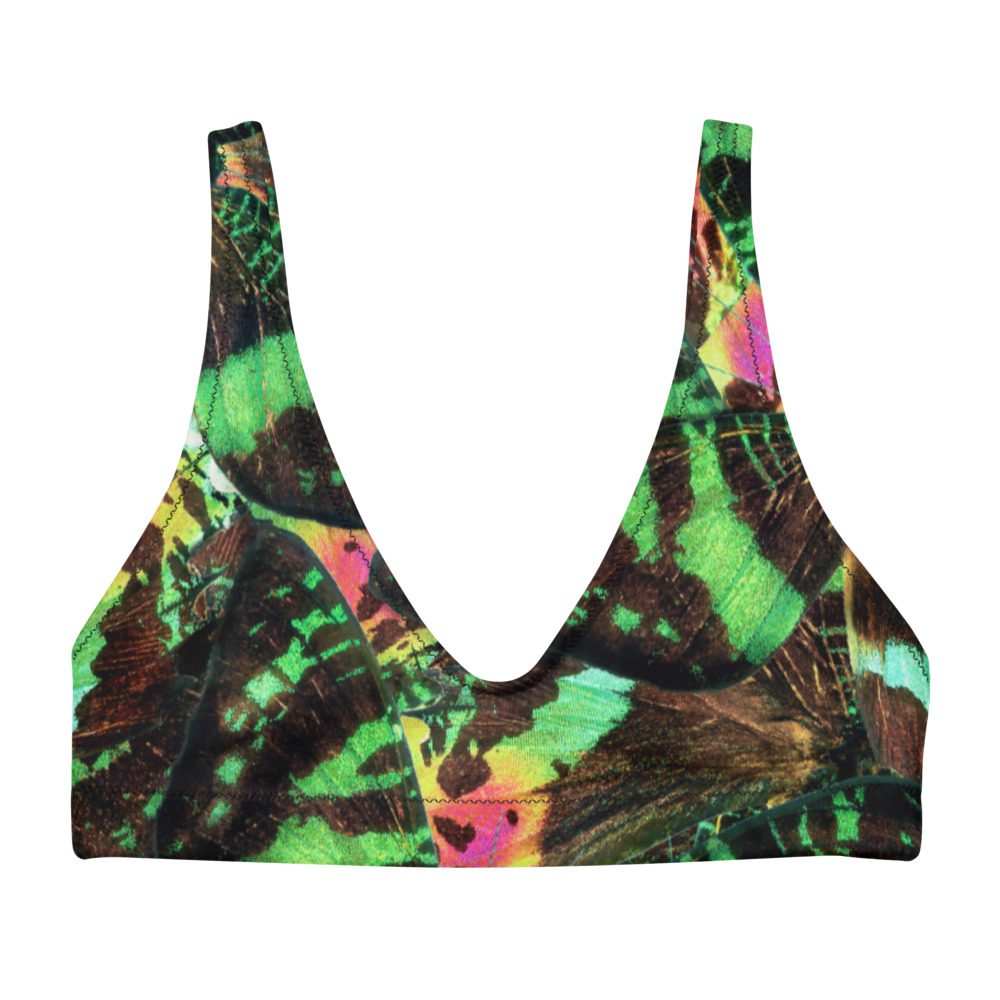
Acid Butterfly Recycled Bikini Top
$62.00
Inserch 100% Linen Plaid Button Up Shirt
$58.00
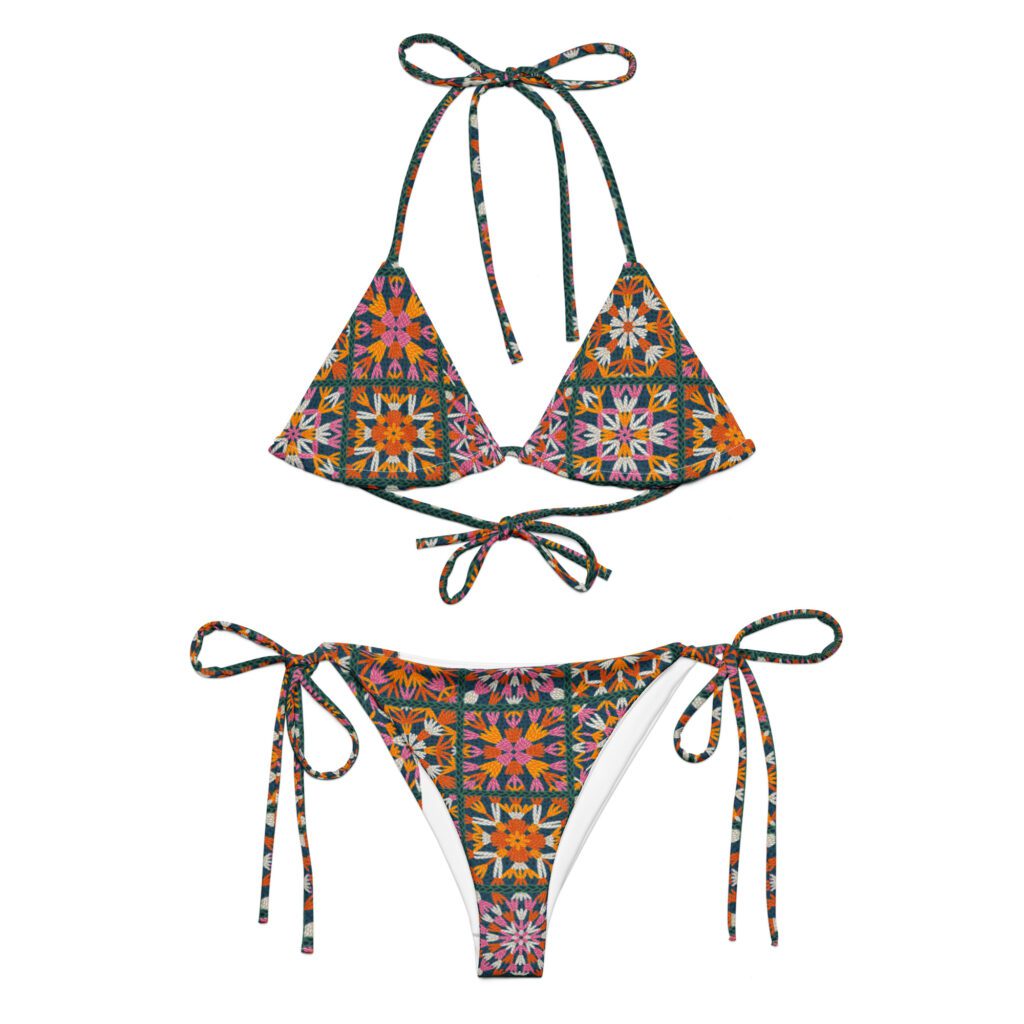
Sexy Granny’s Crochet String Bikini
$98.00
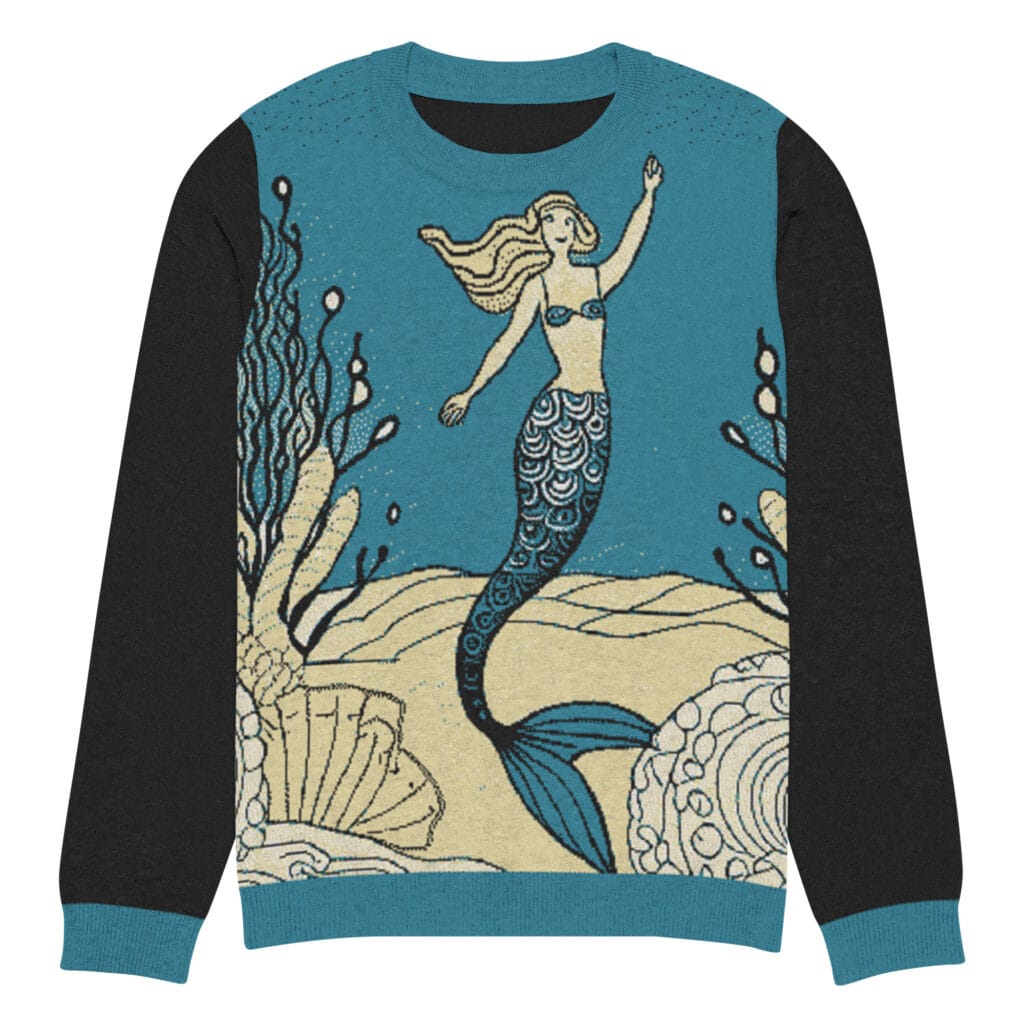
Ocean Muse Knit Sweater
$168.00
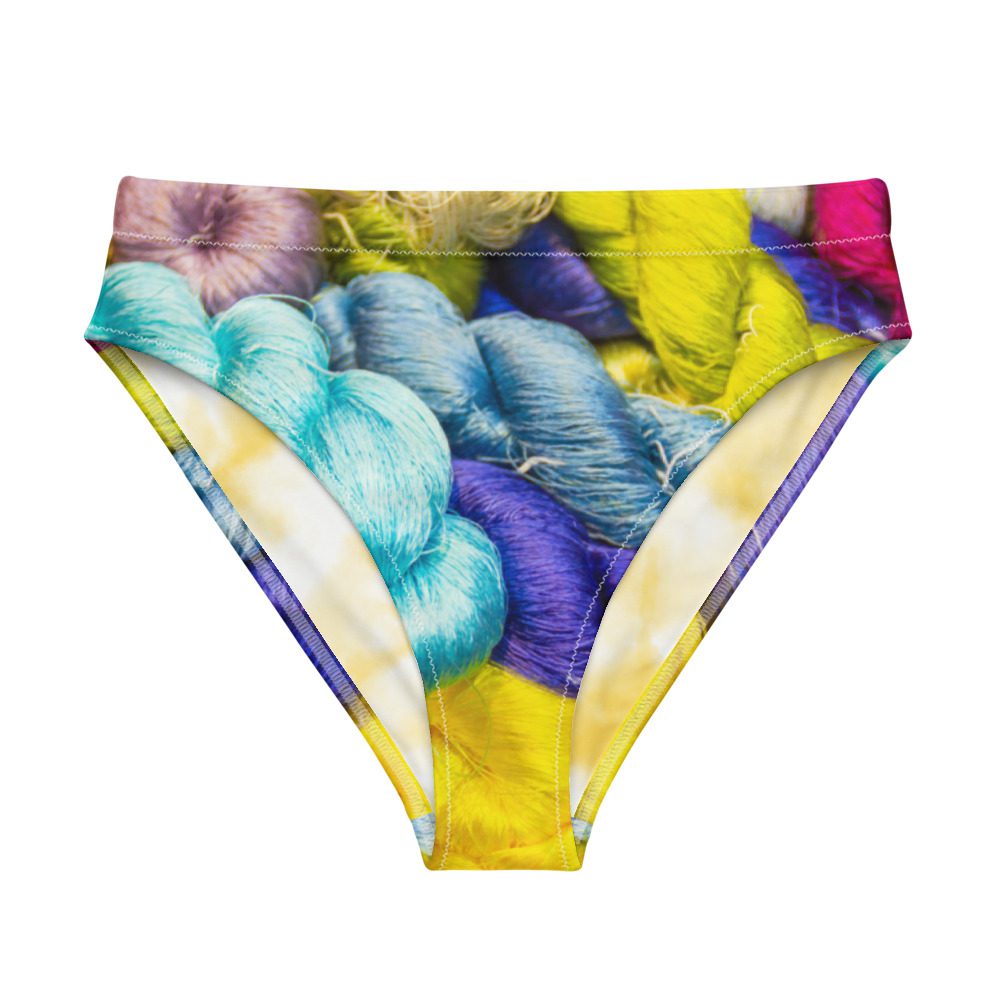
Spun Thai Silk Print High-Waisted Bikini Bottoms
$58.00
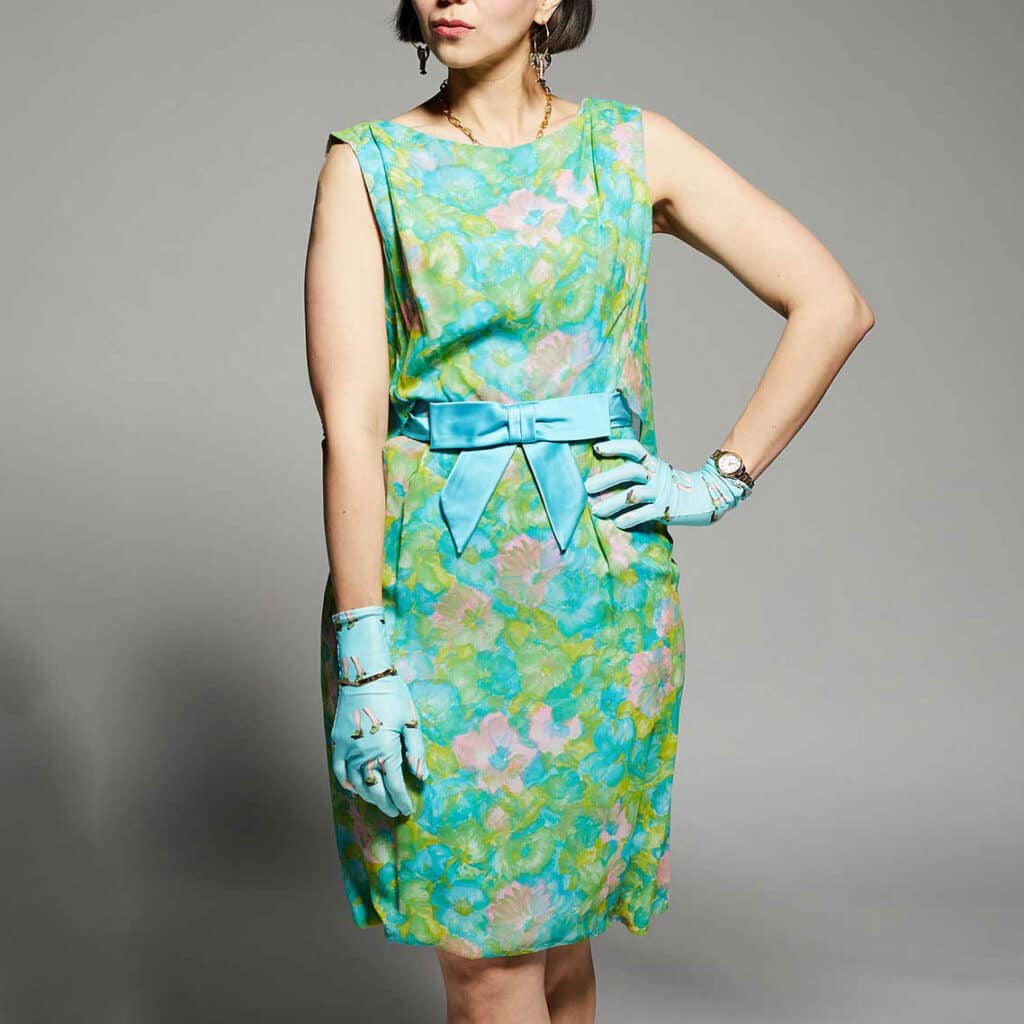
Pastel Floral Wiggle Dress with Blue Bow
$178.00
Accessorize with flair
An accessory can give a familiar outfit a different point of view. Put a substantial earring beside a plain knit, add a small structured bag to loose trousers or wear a patterned scarf with a crisp shirt. One deliberate detail is often enough to make the combination feel like yours.
Think about scale as well as decoration. A very small bag beside an oversized coat creates a different effect from a roomy tote. A long necklace changes the vertical line of a top; a brooch creates a point of emphasis wherever you pin it. Move things around before deciding they only belong in one place.
Comfort still gets a vote. Check the weight of earrings, the fastening on a bracelet and whether a scarf stays where you want it. Vintage accessories deserve a look at hinges, clasps and loose stones before you take them out. The best finishing touch is one you can forget about while enjoying yourself.
Embrace mix-and-match textures
Texture can do the work when you would rather keep the colors quiet. A substantial knit beside a smooth skirt, a crisp cotton shirt under a soft jacket or a glossy shoe with a matte trouser creates contrast without another print.
Pay attention to how the fabrics behave together. A chunky sweater may catch on delicate beadwork; a heavy layer can overwhelm a very light skirt; two slippery surfaces may refuse to stay where you put them. Try the combination while moving and sitting, not just standing still in front of a mirror.
You can borrow the mood of an evening piece without making the entire outfit formal. Wear a dressy skirt with a plain sweater or a softly draped blouse with worn-in denim. If you are buying a new-to-you piece, ask about its actual fiber content and care needs rather than assuming that a sheen means silk or a soft handle means cashmere.
Dare to be different
Changing proportion is another way to make clothes feel new. Try a shorter jacket over a longer line, a roomier trouser with a closer-fitting top or a generous shirt with the sleeves pushed up. Notice where the outfit widens, where it narrows and where you want a little space.
There is no universal “flattering” formula that deserves to overrule your taste. Fit should let you move and give you the shape you intended. If a piece feels wrong, work out whether the issue is its size, its proportions or simply that you do not like wearing it. Those are different problems, and only some of them are solved by buying another size.
Our guide to vintage fit explains why garment measurements matter more than a number on a label. If you are drawn to older silhouettes, the 1940s and 1950s feature offers ways to borrow a proportion without recreating a whole period look.
Keep the experiment that feels like you
Photograph an outfit you enjoy and note what made it work. Was it the color combination, the balance of shapes or the slightly absurd accessory? You can repeat that idea with different pieces without turning it into a uniform.
The 2024 date belongs to this article’s history. The invitation still stands: use what you have, try something a little unexpected and keep the parts you want to wear again. Fashion can be a pleasure without becoming a constant assignment to reinvent yourself.
Fashion Stylist, Designer & Creative Director Quirk
Quirk BOUTIQUE, Located at 112 West 9th St. #200 Los Angeles, CA 90015
STILL INTERESTED? Here’s more
NYFW Spring 2027: Color, Play and a Break from the Beige Capsule
Clean-girl fatigue? NYFW Spring 2027 offers candy color, eccentric accessories and five collections making a case for dressing with a little more personality.
Dolly Parton never dressed for approval. Her rhinestones, wigs, heels, humor, and extraordinary consistency made her instantly recognizable—and offer a lesson in what personal style actually means.
Trends are a language of the moment. Personal style is what happens when you decide which words are actually yours, repeat them, distort them, and wear them into a life.
Fashion Isn’t Disposable: What Your Clothing Was Made to Survive
A forty-year-old jacket has already survived closets, bodies, weather, and changing taste. Its continued life is not an accident. It is evidence of construction, care, and attachment.
Why Vintage Fits So Differently, and Why That Is Actually a Good Thing
A vintage size 10 is not a modern size 10, and the tag is not a comment on your body. This guide explains the history, cut, fabric, and fit clues that matter more than the number.